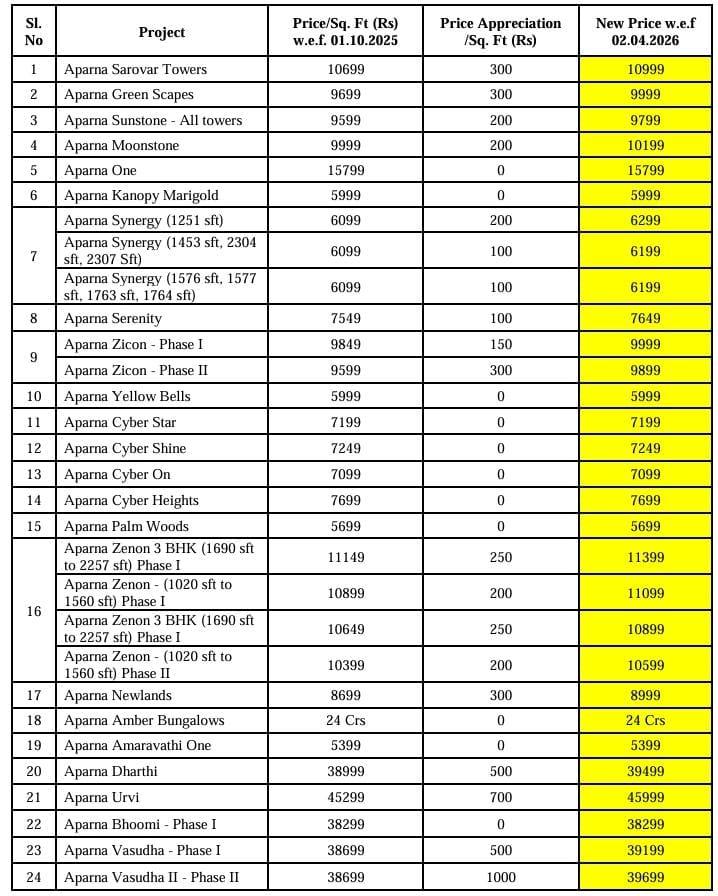
Landlord units available for sale in West Hyderabad
We offer a wide range of premium residential projects across West Hyderabad, cat...
Yes, you can, though it depends on who is looking at the card, what it imitates and what you say or do with it. Showing a novelty ID to a friend as a gag is fine. Handing one to a bouncer, a shop assistant or a police officer is where a joke can turn into a confiscated card, a banned night out or, in the worst case, a fraud allegation. The line between a harmless prank and a problem is usually intent, so that is what this guide focuses on.
This is general information for England and Wales, not legal advice. If you are facing an actual allegation, speak to a solicitor.
Quick answer by situation
Where you show it
Likely outcome
Why
To friends or family, clearly as a gag
No legal issue
Nobody is deceived and nothing is gained
At a party or in a photo, with an obviously fictional design
Very low risk
The card claims nothing real
To door staff to see if they laugh
Card confiscated or entry refused
Staff have to treat any ID that looks real as a potential fake
At a bar counter, trying to get served
Real risk
Looks like an attempt to get a drink with a false document
To a police officer, such as at a traffic stop
Card seized, and other checks follow
Officers deal with the document in front of them, not the intention behind it
As proof of age or identity for anything with real value (car hire, tickets, accounts)
High risk
Likely fraud by false representation
Why intent matters more than the card
The main offence behind most fake ID cases is fraud by false representation. Under section 2 of the Fraud Act 2006, a person breaks the law if they dishonestly make a false representation and intend, by doing so, to make a gain or cause a loss to someone else. The Crown Prosecution Service guidance says the focus of the charge is the false representation itself, and the maximum sentence is 10 years.
Two parts of that test protect a genuine joke:
Dishonesty. If you hold up a card with a cartoon character on it and everyone in the room knows it is a gag, you are not trying to fool anyone.
Intent to gain. A laugh is not a gain. A free drink, a discount or entry to a venue is.
The trouble is that you only control your own intentions. Door staff and police can't read your mind, and a card that looks plausible at arm's length gives them every reason to assume the worst.
When a joke goes wrong in real life
The press has covered plenty of cases where the card was meant as a laugh and the other side did not see the funny side.
The beer festival. In Derbyshire in 2018, a man stood at a bar at a beer festival, said "I want that one" and showed a licence featuring a Little Britain character. Police were nearby, and LADbible reported that he was refused a drink. The reports I found don't say whether he was charged.
The traffic stop. In 2018, Thames Valley Police stopped a driver in Milton Keynes who showed a licence in Homer Simpson's name. Global News reported that the car was seized and the driver was reported for having no insurance and no proper licence. The fake card was the funny part of the story, but the real driving offences were the serious part.
Neither story shows someone being prosecuted purely for the joke. What they do show is how quickly a novelty card draws attention once it leaves your hands.
The extra risk for under-18s
If you are under 18, trying to buy alcohol is itself an offence in England and Wales, even if the attempt fails. Section 149 of the Licensing Act 2003 makes it an offence for a person under 18 to buy or attempt to buy alcohol, and the maximum penalty for that offence is a level 3 fine. A fake ID turns a refused drink into an attempt, which is a much worse way to find out where the line is.
The consequences can also reach beyond the fine. A Runcorn and Widnes Weekly News report from February 2018 quoted a warning that underage drinkers using fake or borrowed ID could end up with a criminal record and trouble travelling to countries such as the US or Australia. That is a local news quote, not a legal rule, so treat it as a warning, not a guarantee.
Staff will not play along
Door staff and shop workers have their own legal risk. Selling alcohol to someone under 18 is an offence for the seller, so a bouncer is not going to treat a lookalike card as a funny moment. Venues also confiscate cards as a matter of routine. Lincolnshire police told The Lincolnite that 160 driving licences, passports and novelty IDs were seized in a six-month operation with local door staff, and that some of the genuine documents came back as reported stolen by their owners. The article is undated, so check with the paper if you need the exact year.
That is why a novelty card that works as a joke at home often fails as a joke at a venue. Staff see hundreds of cards a night, and the safest move for them is to take it.
How to keep a joke a joke
Pick a card that clearly isn't real. An obviously fictional design, with no government name, crest or layout, makes the gag land and keeps the card from looking like a document someone might mistake for real.
Never copy a real document. A joke licence styled like a DVLA photocard raises the legal stakes a lot, as we explain in our article on owning a novelty driving licence.
Say it is a joke before anyone checks it. If a staff member is about to scan or inspect it, you have already lost the argument.
Keep it away from real checkpoints. Venue doors, bars, traffic stops, car hire desks and online age checks are not places for gags.
Think about who will be looking. A card that gets a laugh at a birthday dinner can get you ejected from a club queue.
Where UK ID Pro fits
UK ID Pro makes novelty and prop cards for fun, gifts, costumes and photos, not for real identification. Every design is our own, with no government, authority or institution name, crest or layout, and we don't accept artwork that copies a real card or document, which our FAQ covers in more detail. If you want something for a birthday gag or a party, the full range has four original designs, and our guide to UK ID cards explains why the UK has no national ID card for a novelty card to imitate in the first place. For the wider legal picture, read Is a fake ID illegal in the UK?.
If you are curious why venues catch cards so easily, our guide to ID scanners explains how checks work at the door.
FAQ
Is it illegal to show a novelty ID to a friend as a joke?
No. Nobody is being deceived and nothing is being gained, so the Fraud Act has nothing to bite on. The risk only starts when the card is used on someone who might treat it as real.
Can a bouncer call the police about a novelty ID?
They can, and some will. Whether anything follows depends on the card, what was said and what the police make of it. Bouncers can also simply refuse entry and keep the card.
What if I really was only joking?
A genuine joke is relevant to dishonesty and intent, but you would be arguing it after the fact. If the card looked real and you used it to try to get something, your explanation has to persuade a police officer or a court, and that is not a position anyone wants to be in.
Does the answer change in Scotland or Northern Ireland?
The Fraud Act applies in England, Wales and Northern Ireland, according to the CPS. Section 149 of the Licensing Act 2003 is an England and Wales provision. Scotland has its own legal system, so check Scottish sources if you live there.
Sources:
Statute and guidance pages checked on 20 November 2026. News reports are dated as published.
Fraud Act 2006, section 2, legislation.gov.uk
Crown Prosecution Service, Fraud Act 2006 legal guidance, updated 11 March 2024
Licensing Act 2003, section 149, legislation.gov.uk (up to date to 30 January 2026 per the site)
LADbible, Man refused drink after trying to use Little Britain ID, 4 June 2018
Portsmouth News, Drinker tried to use fake ID featuring Scouser Andy, 2018
Global News, Fake Homer Simpson driver licence police, March 2018
Runcorn and Widnes Weekly News, Fake ID warning for drinkers, 15 February 2018
The Lincolnite, Police warn school students about fake IDs (undated)