padma1n6b315 views

Tellapur High-Rise Cashflows: Pre-EMI vs Ready Handover

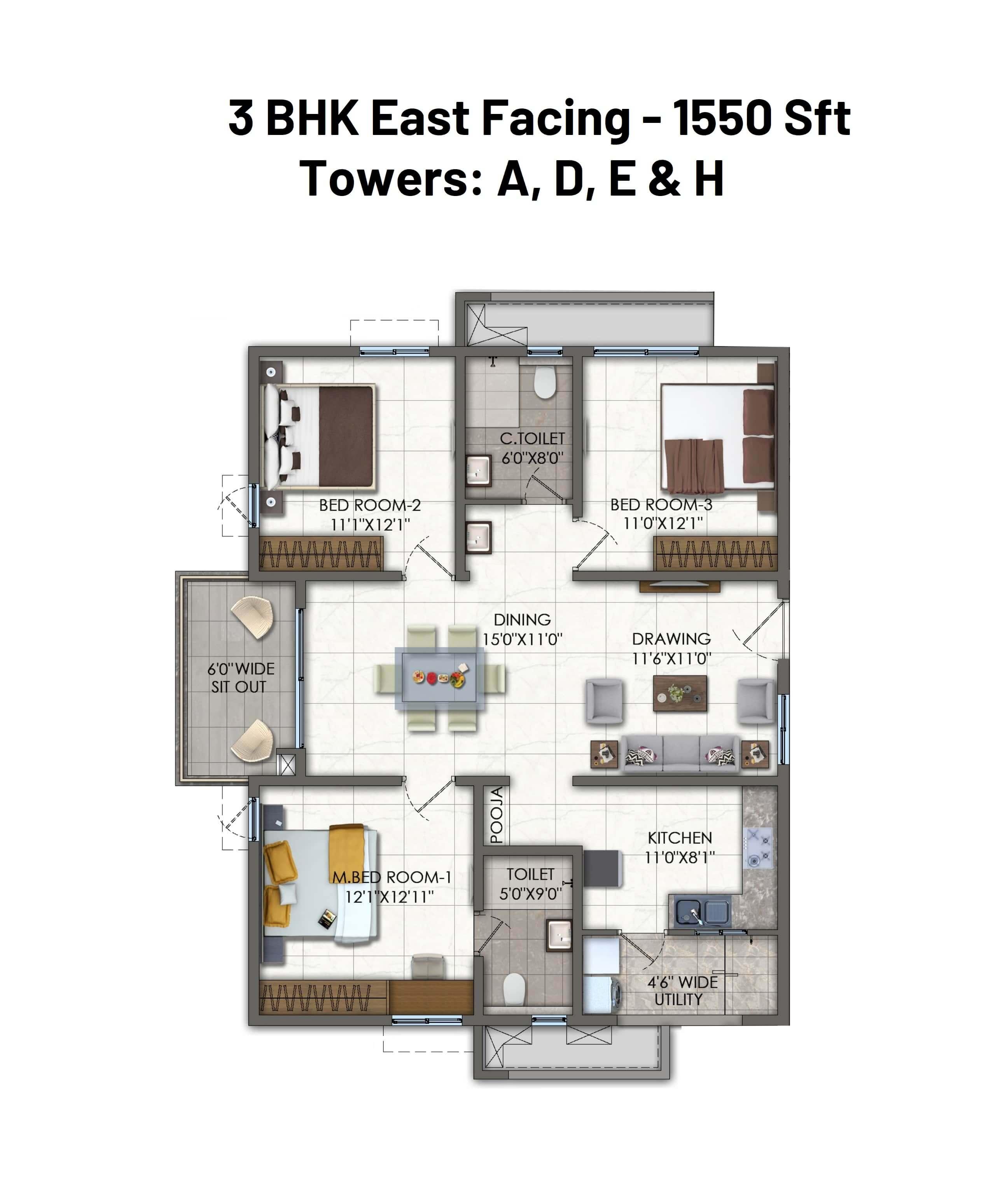
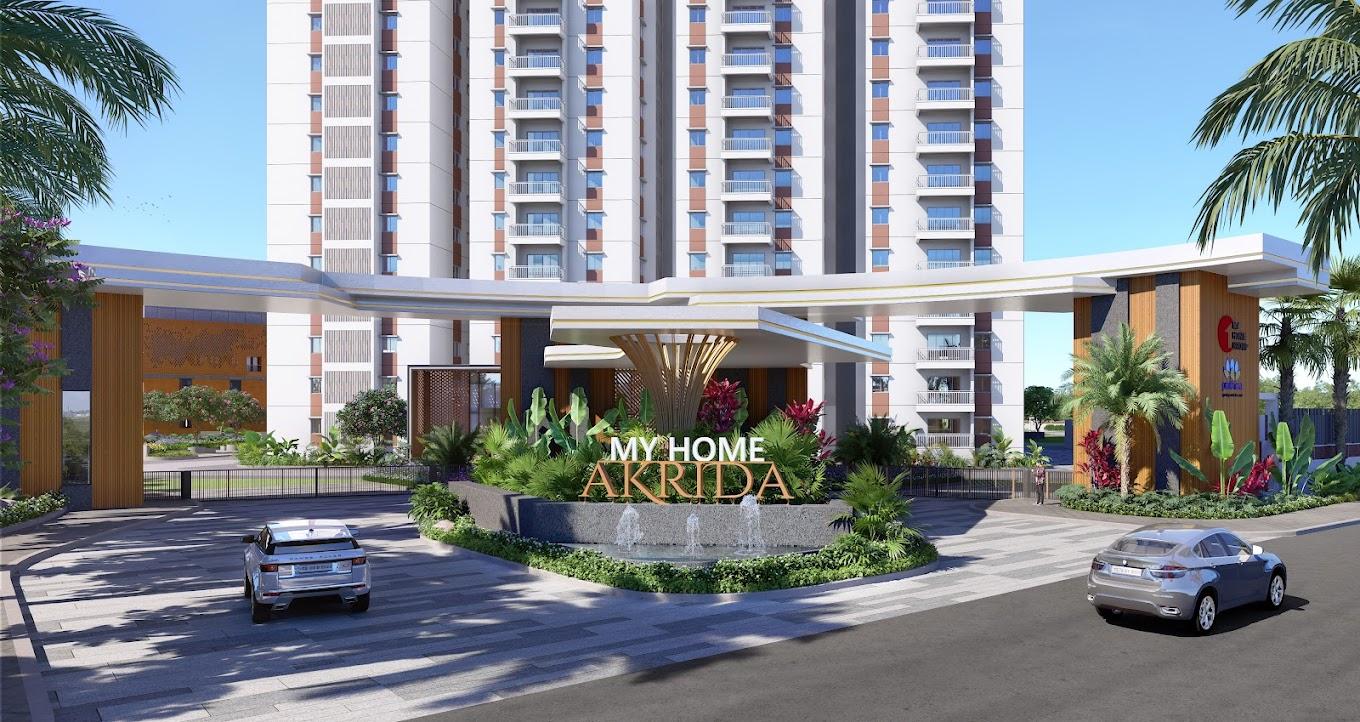
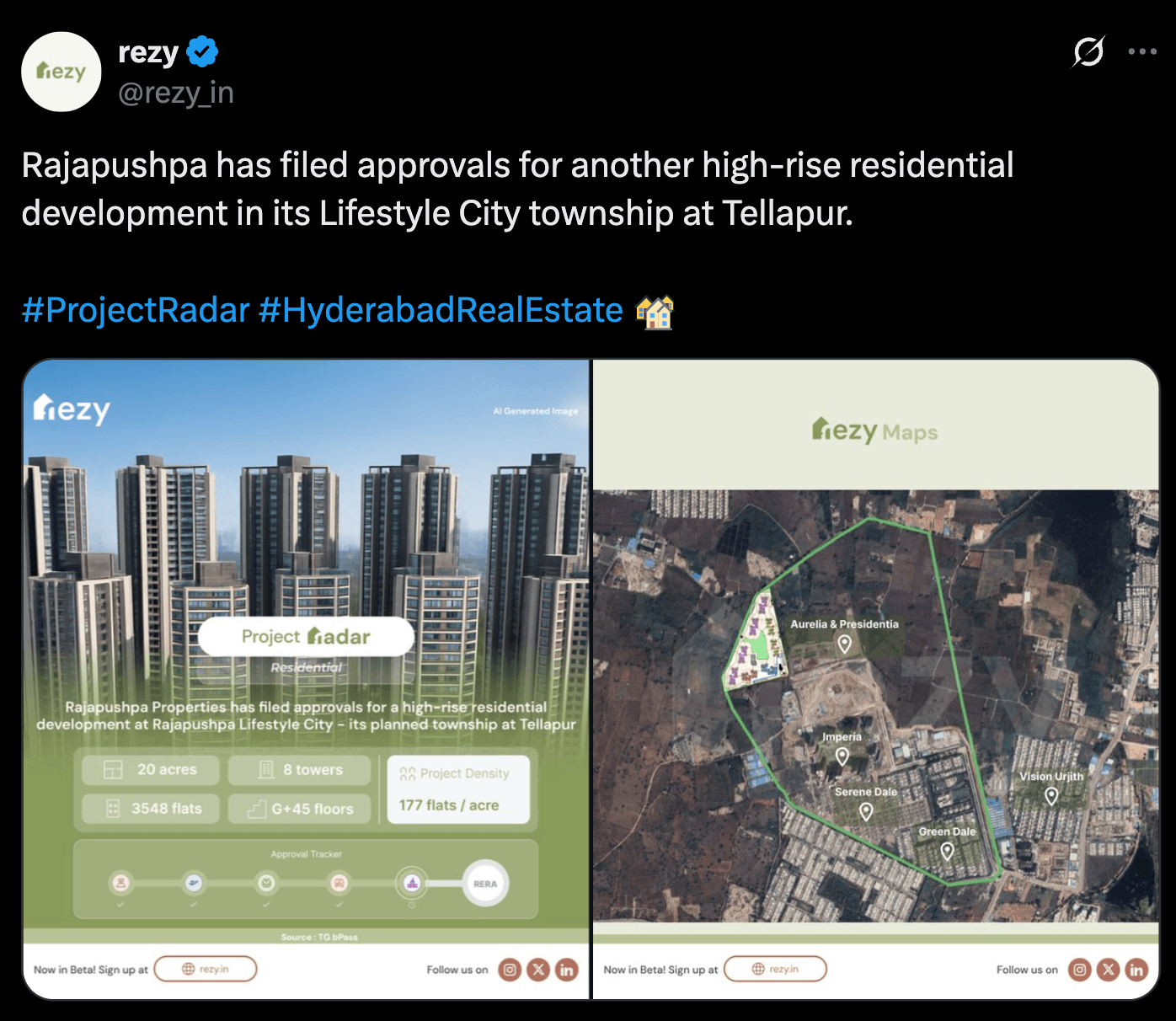
I have been spending my weekends cross-checking Tellapur high-rise launches against the ongoing commercial growth in Gachibowli and Financial District. When you look at projects like My Home Sayuk and Rajapushpa Imperia, rates are hovering anywhere between ₹8,500 to ₹10,800 per sq ft depending on the construction stage. On paper the commercial side looks solid with REITs growing 111% YoY and so many new GCCs coming up, but there is still nearly a 27-month residential inventory overhang in West Hyderabad that makes me pause.


I am trying to decide if taking a pre-EMI scheme on an under-construction tower in Tellapur is safer than stretching for a ready-to-move unit. Here are a few details I've been comparing in my notes:


Pre-EMI Outflow vs Handover Risk: Pre-EMI keeps my immediate bank outflow smaller while the tower goes up, but if construction timelines push past late 2026, holding costs and interest will add up quickly.


Rental Yield Expectations:Rents in Tellapur for 3BHKs seem to sit around 3.2% to 3.8% gross yield, which won't fully cover a full loan EMI once possession starts.


Price Spread Across Phases:Earlier phases were booked around ₹7,500/sq ft, so buying into current phases means paying a premium when inventory is already high.


Is anyone else currently evaluating pre-EMI options versus full EMI in Tellapur right now? How are you balancing the construction wait against your monthly budget?

Discussions

nikhil7k2m
From an architectural and execution standpoint, major developers in Tellapur like My Home and Rajapushpa use aluminum MIVAN formwork which ensures steady structural slab cycles (around 7–10 days per floor). However, internal MEP and finishing across 3,000+ units is what typically causes late 2026 handover delays.
mohan1m5k

@nikhil7k2m As a contractor, I can confirm structure erection is fast, but plumbing, electrical grid connections, and lift commissioning for 40-floor towers take significant time before OC gets approved.

swetha6m1n

@nikhil7k2m Good technical insight. If finishing takes longer, WFH buyers relying on promised handover dates will end up extending rental leases indefinitely.

tarun2k5n
Moving from Delhi/NCR, Tellapur’s wide road network and proximity to ORR Exit 2 are huge upgrades over Sector layouts. However, peak-hour bottlenecks toward Nallagandla flyover and Financial District road are real. Pre-EMI makes sense only if the commute tradeoff works for you today.
murali8m2k

@tarun2k5n Compared to Bengaluru Outer Ring Road traffic, Tellapur to Financial District commute is smooth, but local access feeder roads definitely need widening before all 3,000+ families move in.

dinesh5m2b

@tarun2k5n Having moved from Mumbai, Tellapur offers incredible space and modern gated community living. Even with a 20-minute commute, quality of life beats cramped city units.

anusha8k3b
We are a working couple currently shortlisting between My Home Sayuk and Rajapushpa Imperia. Stretching our budget for a ready unit means higher initial EMIs, but taking pre-EMI on an under-construction unit leaves us paying both rent and pre-EMI for 2+ years.
santosh2k6b

@anusha8k3b We ran the same household budget comparison. Going for a nearly ready unit reduces double cashflow anxiety, especially with school fees and kid's routines to plan around.

kiran4m2n

@anusha8k3b As a bachelor planning ahead, pre-EMI suited my monthly cashflows better because I can save aggressive liquidity today and rent out 1 room later to offset full EMI post-handover.

subbarao1b7n
From a banking loan structuring standpoint, pre-EMI subvention in Tellapur high-rises needs careful scrutiny. Under pre-EMI, you pay simple interest on disbursed tranches, but if the developer faces labor or approval bottlenecks that push handover past late 2026, the subvention period ends and you get hit with full EMI while still paying current rent.
bhaskar7n3m

@subbarao1b7n Precisely why as a CA I refuse to touch under-construction subvention schemes. You give up bank milestone pressure and lose interest tax deductions under Section 24 until physical OC is received.

srinath5k1m

@subbarao1b7n Ran the discounted cashflow model for Sayuk and Imperia in Excel: stretching 12-15% more for a ready-to-move flat with OC yields a net positive internal rate of return compared to holding pre-EMI risk over 24 months.

shravanreddy8

@subbarao1b7nnice


sandeep3b6n
The price spread between earlier phases at ₹7,500/sq ft and current phases at ₹10,000+/sq ft in Tellapur has narrowed developer margins for investors. Builders are using pre-EMI to absorb the price jump, but ensure your RERA agreement has explicit milestone penalty clauses if completion slips.
deepak8b5n

@sandeep3b6n Having bought across 12 cycles in Hyderabad, paying ₹10,000+/sq ft in later phases during high inventory overhang usually means horizontal capital stagnation for at least 3 years post-possession.

meghna7k3m

@sandeep3b6n Evaluating Tellapur like an asset portfolio: if the price spread between launch and completion is under 15%, the risk-adjusted return on pre-EMI doesn't beat standard SIP compounding.

saimurali2b8n
Our econometrics tracking on West Hyderabad shows that while Gachibowli office expansion drives steady tenant demand, Tellapur’s 3.2% to 3.8% gross rental yields create a cashflow deficit of roughly ₹45,000/month against a standard 80% loan EMI on a ₹1.8Cr 3BHK.
suresh9k4m

@saimurali2b8n Spot on financial advice. Buyers expecting rentals to service 70-80% of loan EMIs in Tellapur will face cashflow crunch once pre-EMI ends and full loan repayment kicks in.

raghavendra7m3k

@saimurali2b8n Never buy high-density Tellapur apartments purely on rental yield logic. Hold it as a long-term self-use asset or capital growth play over 7-10 years.